Writing ahead of World Teachers’ Day on 5 October 2026, I kept returning to a question from my work on education systems: how well do our programmes support changes in teaching that last beyond the project?
Teaching practices are embedded in a culture: wider social expectations, institutional routines, assessment systems and educators’ understanding of their role. Changing a method can therefore mean changing what teachers—and students—believe good teaching should look like.
A workshop may introduce a new approach. Applying it confidently, adapting it to different learners and making it part of everyday practice requires sustained support.
In my experience, this takes months, sometimes considerably longer. Short interventions can end just as educators begin to experiment, encounter difficulties and need feedback. The programme has delivered its activities; the change remains fragile.
The gap between a theory of change and its indicators
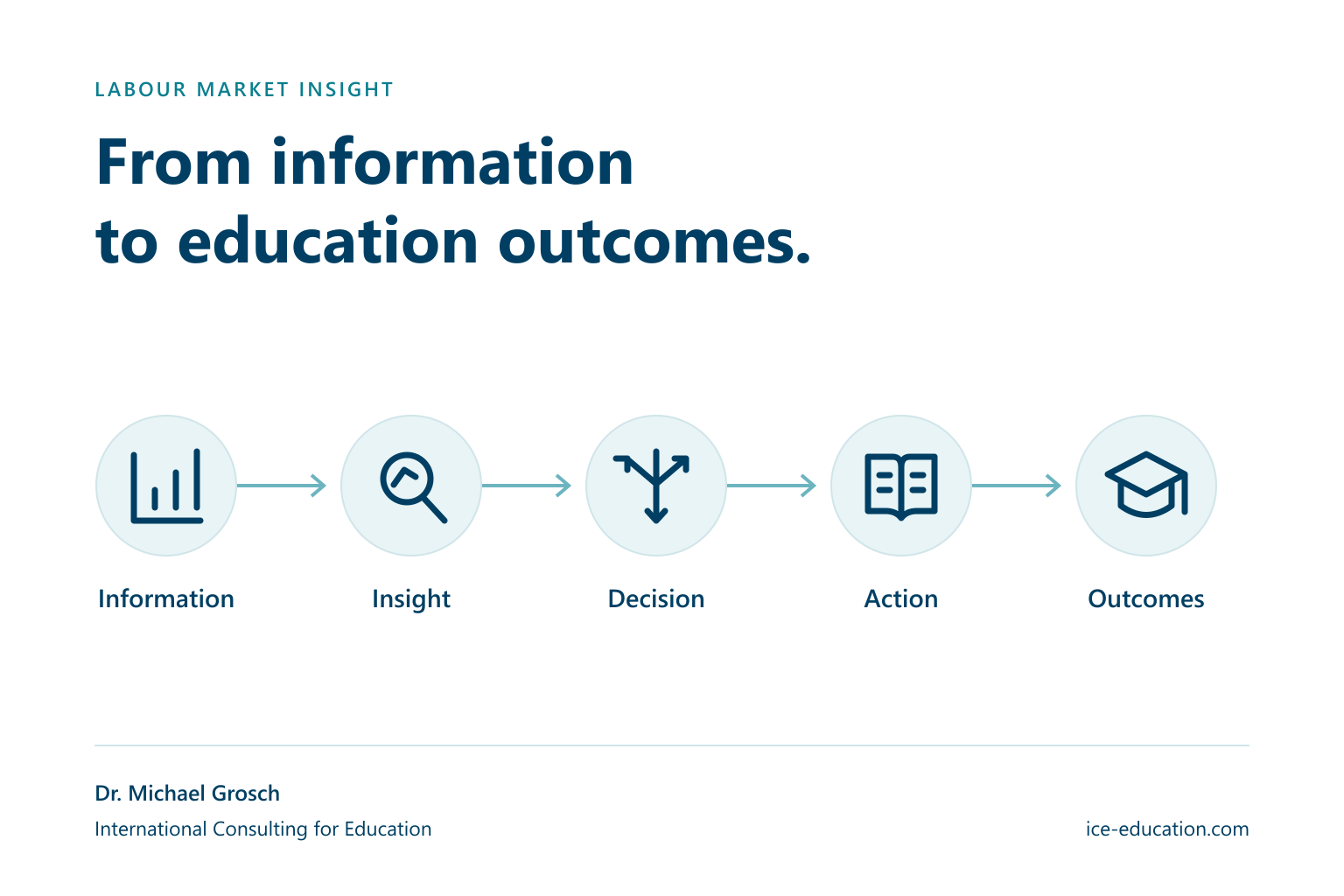
A theory of change may connect training to better teaching, better learning and better employment prospects. But if the indicators mainly capture participation and completion, the crucial links in that chain remain assumptions rather than demonstrated change.
Measurable output and outcome indicators are essential for accountability. Yet pressure to meet predefined targets can shape project scope towards readily reportable activities: courses completed, documents approved or equipment installed. The slower work of changing the teaching and learning culture can receive less time and fewer resources.
Support that lasts beyond the initial training
For teacher development, I would therefore ask from the outset: What needs to change in educators’ understanding and practice? What institutional conditions will support that change? Who will provide feedback and follow-up after the initial training?
Repeated opportunities to apply new approaches, discuss experience with peers and receive constructive feedback matter. So do leadership support, time and assessment practices that reinforce the intended change.
An OECD review of results-based management documents the risk of prioritising easily measured outputs over longer-term outcomes.
Recognising teachers also means examining whether our programmes give them the conditions and time to make change endure.
Sources & further reading
Adapted for the website from the original LinkedIn post. Views and professional reflections are the author’s.
Read the original post and discussion on LinkedIn