Labour market information has come a long way. How do we turn that progress into better education and skills?
A recent regional workshop I facilitated on Labour Market Insight highlighted both the progress and the unfinished work.
Real progress
ASEAN’s 2024 mapping, supported by ILO and GIZ, documents efforts to strengthen information systems—alongside capacity and coordination gaps.
From evidence to action
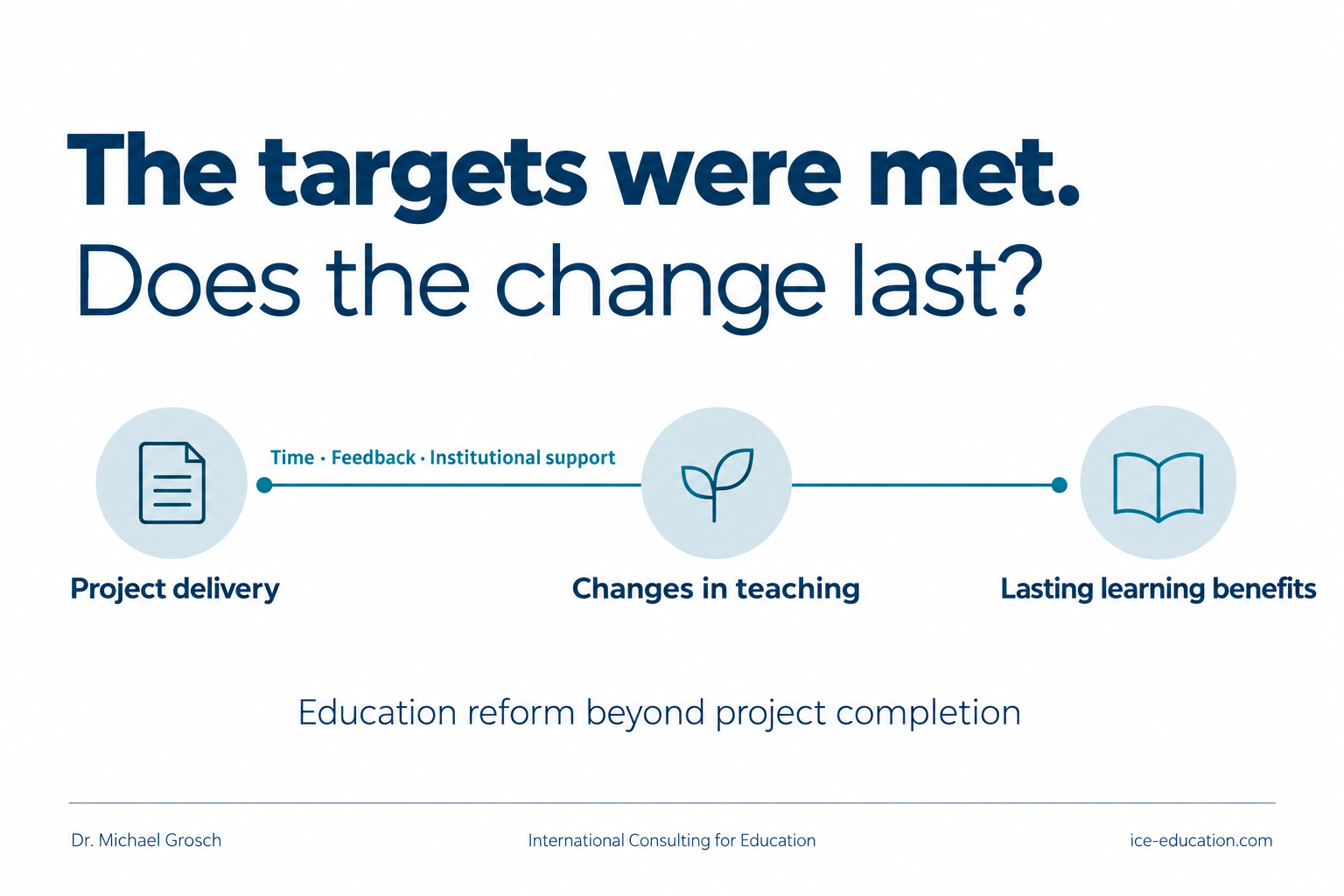
Fragmented sources and limited institutional capacity can leave findings disconnected from curricula. Start with one pending programme decision: bring evidence, employers and educators together, then agree changes, responsibilities and funding. The goal is better curricula and graduates able to apply relevant skills.
AI’s dual role
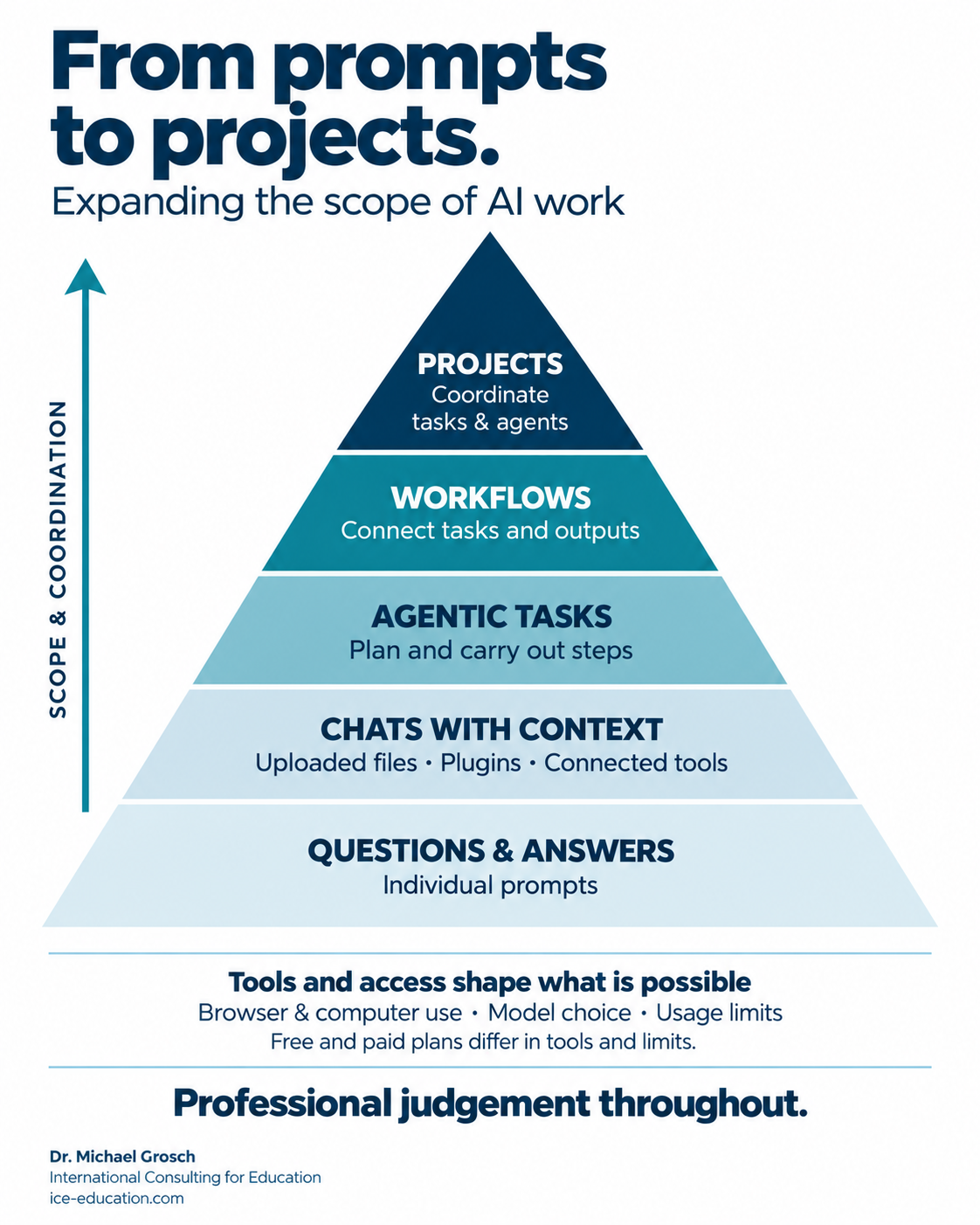
AI is reshaping tasks and skills. It can also support faster evidence synthesis and curriculum revision—a potential I believe education reform is not yet using sufficiently.
The ILO’s 2026 ASEAN brief finds substantial AI exposure, uneven preparedness and limited disruption so far. This is a window to prepare.
For ministries and development partners: who owns the step from a labour-market finding to a funded change in education?
Sources & further reading
Adapted for the website from the original LinkedIn post. Views and professional reflections are the author’s.
Read the original post and discussion on LinkedIn